The Real Secret to Momentum Revealed
There is a moment that almost every woman I work with reaches. It’s the moment when the initial excitement of a new idea begins to fade.
At the beginning, everything feels possible. The vision is clear, the energy is high, and you can almost see the future unfolding in front of you. You start strong. You read the books. You listen to the podcasts. You map out the plan. And for a while, it works.
But then life begins to press back in. Work deadlines. Family commitments. Unexpected challenges. The hundred small responsibilities that quietly fill a week. And slowly, almost without noticing, momentum begins to slip.
It’s rarely dramatic. It’s more subtle than that. The thinking becomes heavier. The actions become smaller. The progress becomes slower. Eventually many women reach the same quiet conclusion… I just need more motivation.
But after years of working with women building businesses, navigating career shifts and redesigning their lives, I’ve come to believe something different.
Motivation is wildly overrated. Motivation is emotional. It rises and falls depending on sleep, stress, hormones, the weather, and what happened in the last conversation you had. If your progress depends on motivation, it will always feel fragile.
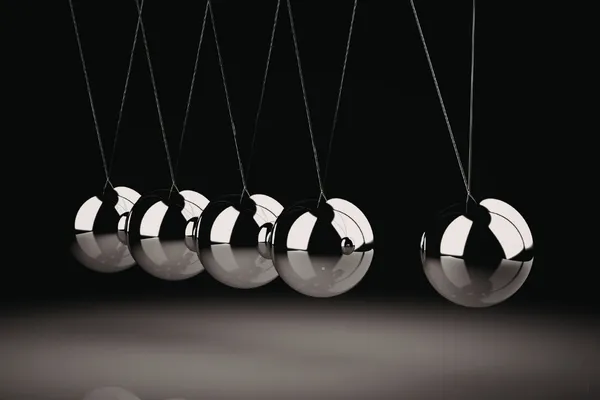
Momentum, on the other hand, is engineered. It comes from the structures you place around your ambition. I see three things consistently create sustainable momentum… accountability, rhythm, and environment.
The first is accountability. Not the harsh kind. Not someone standing over you with a checklist. But the kind of accountability that comes from knowing someone else is walking alongside you.
When you say out loud what you’re working toward and someone else witnesses that commitment, something shifts internally. Your goals become more than a private thought. They become a shared intention. I have watched women move from months of overthinking into decisive action simply because they had a space where they could say, “This is what I’m committing to this week.”
The second is rhythm. Momentum loves rhythm. When your work is squeezed into the leftover spaces of life, it constantly feels like you are starting again from zero.
But when there are consistent rhythms, time to think, time to act, time to reflect, progress compounds. Instead of constantly restarting, you are building. Small actions, repeated regularly, have an extraordinary impact over time.
The third is environment. This is the one that surprises people most. We often think momentum is about personal discipline. But environment plays a far greater role than most of us realise. If you spend most of your time around people who are comfortable where they are, growth begins to feel unusual.
But when you place yourself in environments where thoughtful ambition is normal, where people are asking bigger questions and building meaningful things, your thinking naturally expands. Your standards shift. What once felt impossible begins to feel entirely reasonable.
Over the years I’ve seen incredibly capable women stall not because they lacked ideas or intelligence, but because they were trying to create momentum alone. When everything sits inside your own head, it is easy to lose perspective.
But when your ideas are spoken out loud, explored, challenged, and supported, they begin to move. That’s when momentum appears. Not through motivation. Through structure, accountability, and environment working together.
Lately I’ve been thinking a lot about this. About the spaces where these ingredients exist intentionally. The kinds of spaces where women can step away from the noise of daily life, think clearly about what they’re building, and move forward with support around them.
It’s something I’ve been quietly working on behind the scenes for a while now. But more on that soon. For now, I’m curious about something.
Where do you tend to lose momentum? Is it when motivation fades? When life becomes busy? Or when you find yourself holding everything on your own?
Sometimes recognising where momentum breaks is the first step to creating a different kind of progress. And progress, when it’s supported well, becomes something far more sustainable than motivation ever could be.